Why the Yale ERP and Hyster J Series Are My Favourite Electric Forklifts Ever Built
At Level Warehouse Equipment, we spend our lives around forklifts. We sell them, service them, rent them, and see how they perform after years of real warehouse abuse. That kind of perspective makes favourites hard to earn.
But two machines consistently rise to the top: the Yale ERP series and the Hyster J series electric forklifts. These aren't just good electrics. They're some of the best forklifts ever built, period.
I'm not saying that because they're flashy or loaded with tech gimmicks. I'm saying it because after decades of watching trucks come and go, these two just keep showing up.
Here's why.
Tight Turning Radius That Actually Matters
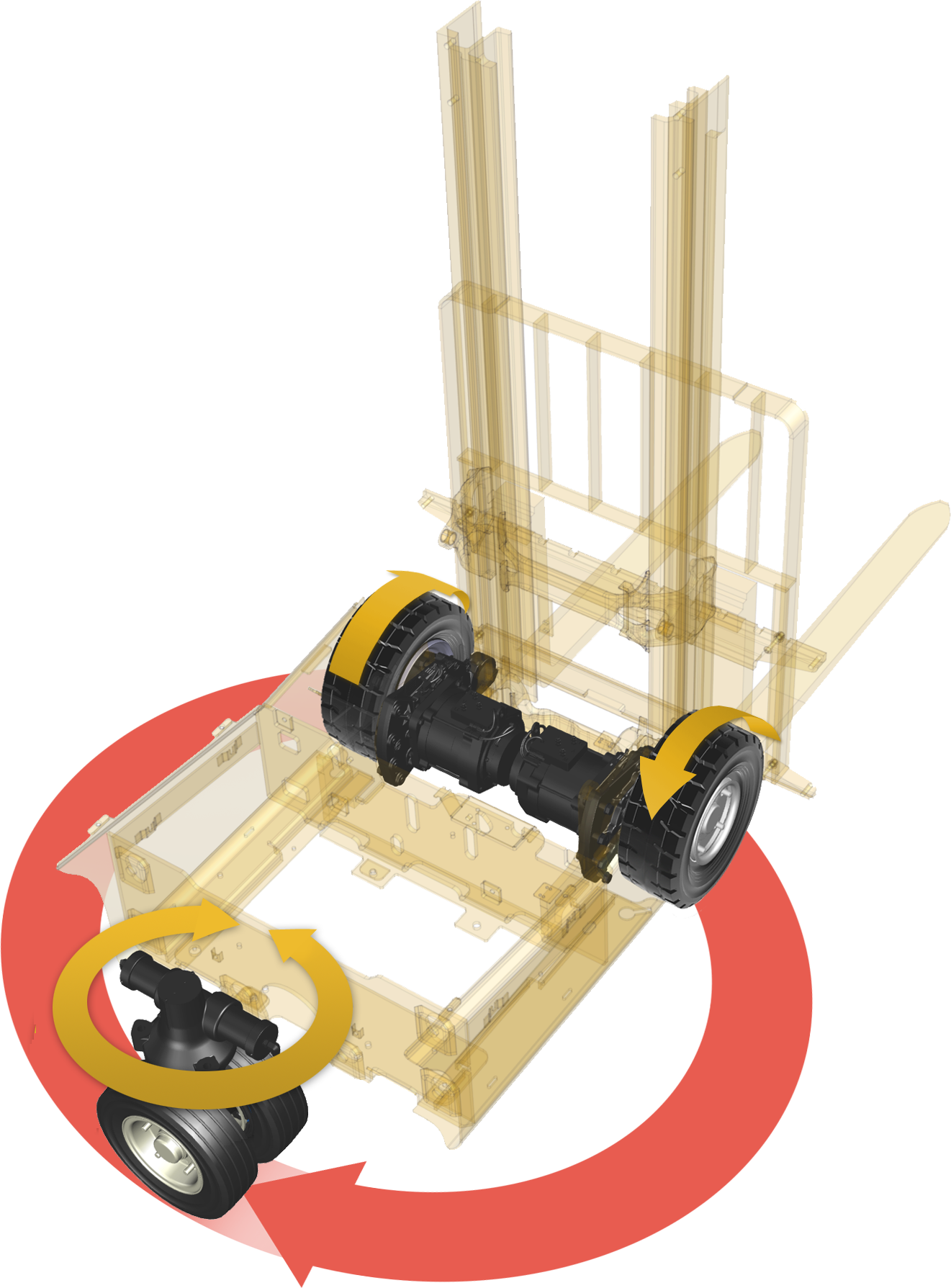
The first thing operators notice with the Yale ERP and Hyster J is how tight they turn. Not "tight for an electric." Genuinely nimble in a way that changes how you work.
In older warehouses, retrofit buildings, and dense pick environments, maneuverability isn't a luxury. It's survival. You're dealing with narrow aisles, awkward corners, and racking installed before anyone thought about forklift access. These trucks were engineered for exactly that reality.
They pivot cleanly and predictably. Aisle navigation feels effortless. Cornering with a load doesn't require that hesitation where you're wondering if you'll clip something. Less jockeying, fewer multi-point turns, less frustration at shift end.
That translates directly into faster cycle times and reduced operator fatigue. When floor space is money, these trucks earn their keep every day. The only way to get in spaces tighter than these units is to get reach forklifts or specialized articulating forklifts. They are expensive and hard to control, with very limited usability on a dock or outside.
Solid Pneumatic Tires: The Sweet Spot Nobody Talks About
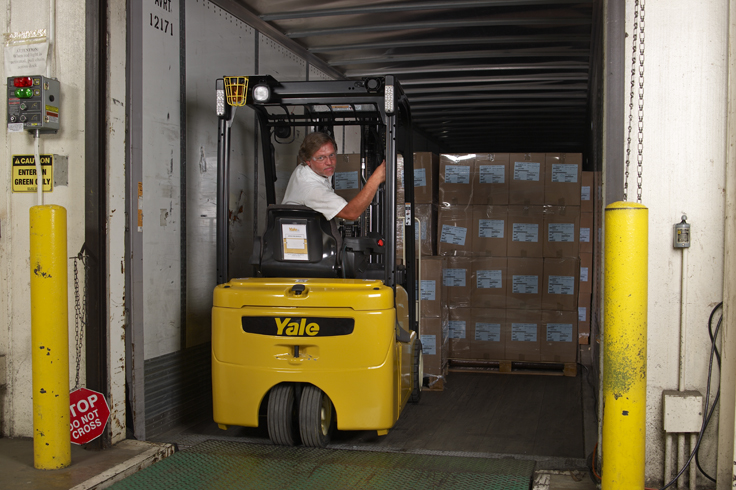
One of my favourite design choices on both series is the solid pneumatic tire option. Buyers often overlook this, but it makes a huge difference in the real world.
Solid pneumatics sit right in the middle between cushion tires and full outdoor pneumatics. You get a smooth ride over imperfect concrete, which is basically every warehouse floor over ten years old. They handle dock plates, expansion joints, cracks, and rough slabs without beating up the operator or the load.
And here's the big one: zero flats, zero downtime. You're not pulling a truck off the floor because someone ran over a bolt. You're not waiting on tire service. The truck just keeps working.
For mixed-use indoor facilities or older buildings with "character," solid pneumatics make these electrics far more versatile than most people expect from a battery-powered truck.
Another major benefit of using this style of forklift, particularly with solid pneumatic tires, is being able to have one forklift that does it all. Works in the aisles, works on a dock, works well on ramps and works fine outside on asphalt, even in the rain.
Low Seat Position: A Detail Operators Actually Feel
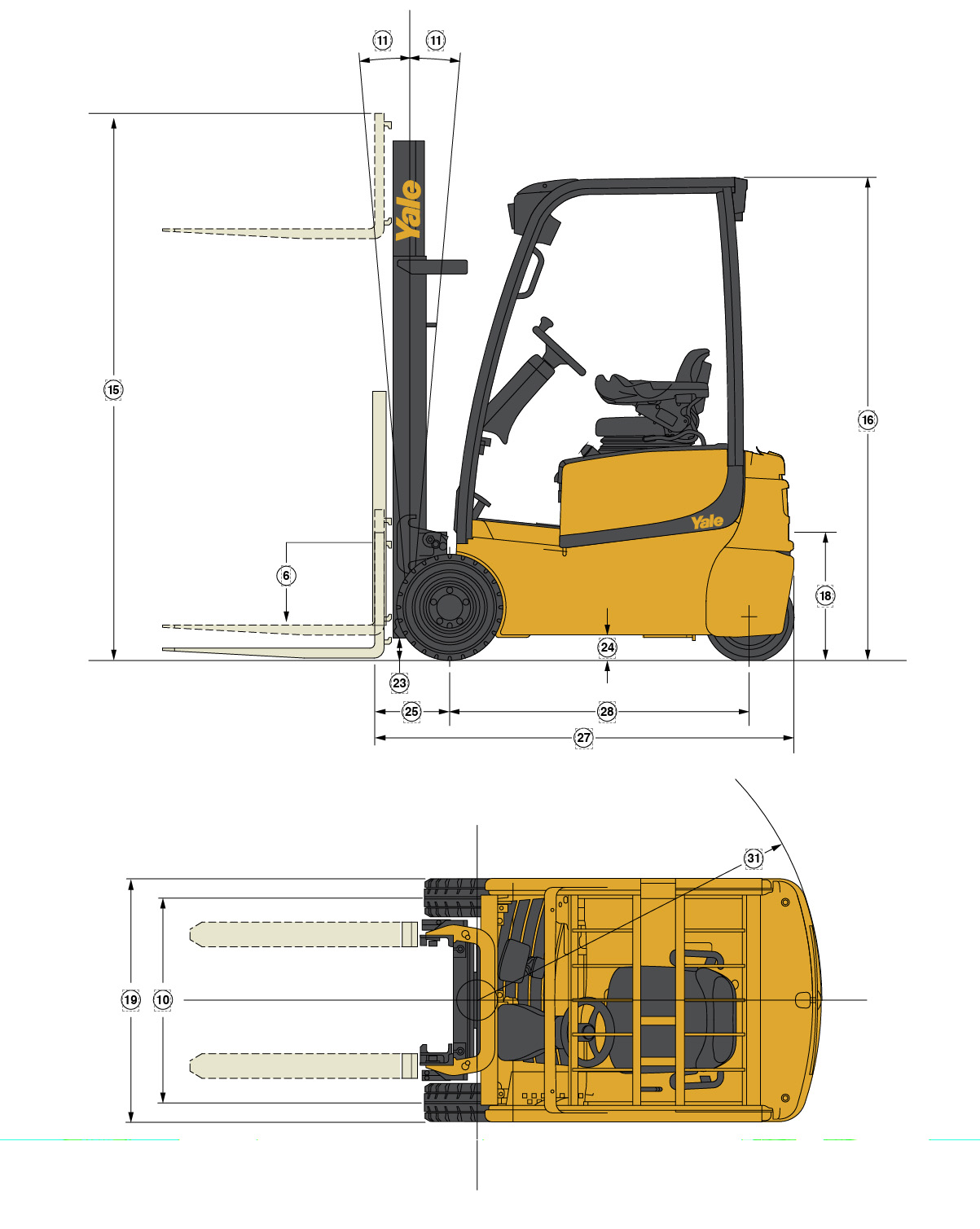
The seat position on the Yale ERP and Hyster J sits lower than many competing electrics. That might sound like a minor spec, but it changes everything about how the truck handles.
A lower seat means a lower centre of gravity. That means better stability under load, especially during turns or when you're working on an incline. It also creates a more "planted" feel. Operators describe it as being connected to the truck rather than perched on top of it.
That confidence shows up in smoother handling, fewer mistakes, and safer operation across the board. It's especially noticeable during long shifts when fatigue starts creeping in. A truck that feels stable and predictable at hour seven is worth its weight in gold.
Also among the greatest benefits is the removal of the resistance to getting off the truck. When getting on and off is easy your operators can be trained to pick up that stray item or pallet chaff or loose pallet wrap, quickly pick a box without major efforts, and generally feel less fatigue at the end of a long shift.
Large Battery Capacity for Real Work
Electric forklifts live or die by their batteries. This is where a lot of cheaper electrics fall apart, and it's where the Yale ERP and Hyster J quietly dominate.
Both series support large battery capacities that deliver true full-shift performance. We're not talking about trucks that start strong and fade by mid-afternoon. These machines maintain consistent power throughout the discharge cycle, which means predictable performance from start to finish.
They also work well with battery change programs or fast-charge setups if you're running multi-shift operations. The flexibility is there without requiring workarounds or compromises.
Whether you're running a single shift in a smaller facility or pushing into second and third shifts, these trucks don't go anemic when you need them most. They just keep working.
Built Like Forklifts, Not Like Appliances
Here's what really separates the Yale ERP and Hyster J from a lot of modern electrics: they were designed as industrial equipment first.
That sounds obvious, but it's not. A lot of newer electric forklifts feel like they were built to win spec sheet comparisons or impress people at trade shows. They're loaded with screens and sensors and features that look great in a brochure but become liabilities after the warranty expires.
The Yale ERP and Hyster J took a different approach. Heavy-duty frames. Industrial-grade components. Simple, serviceable systems that a competent technician can actually work on without calling a hotline or waiting for proprietary parts.
And because these series have had long production runs, parts availability is excellent. You're not hunting for discontinued components or paying premium prices for dealer-only repairs. The support ecosystem is mature.
That's why you still see these trucks running strong after 15 or even 20 years. When you're buying for total cost of ownership instead of brochure specs, longevity like that matters.
Why We Keep Recommending Them
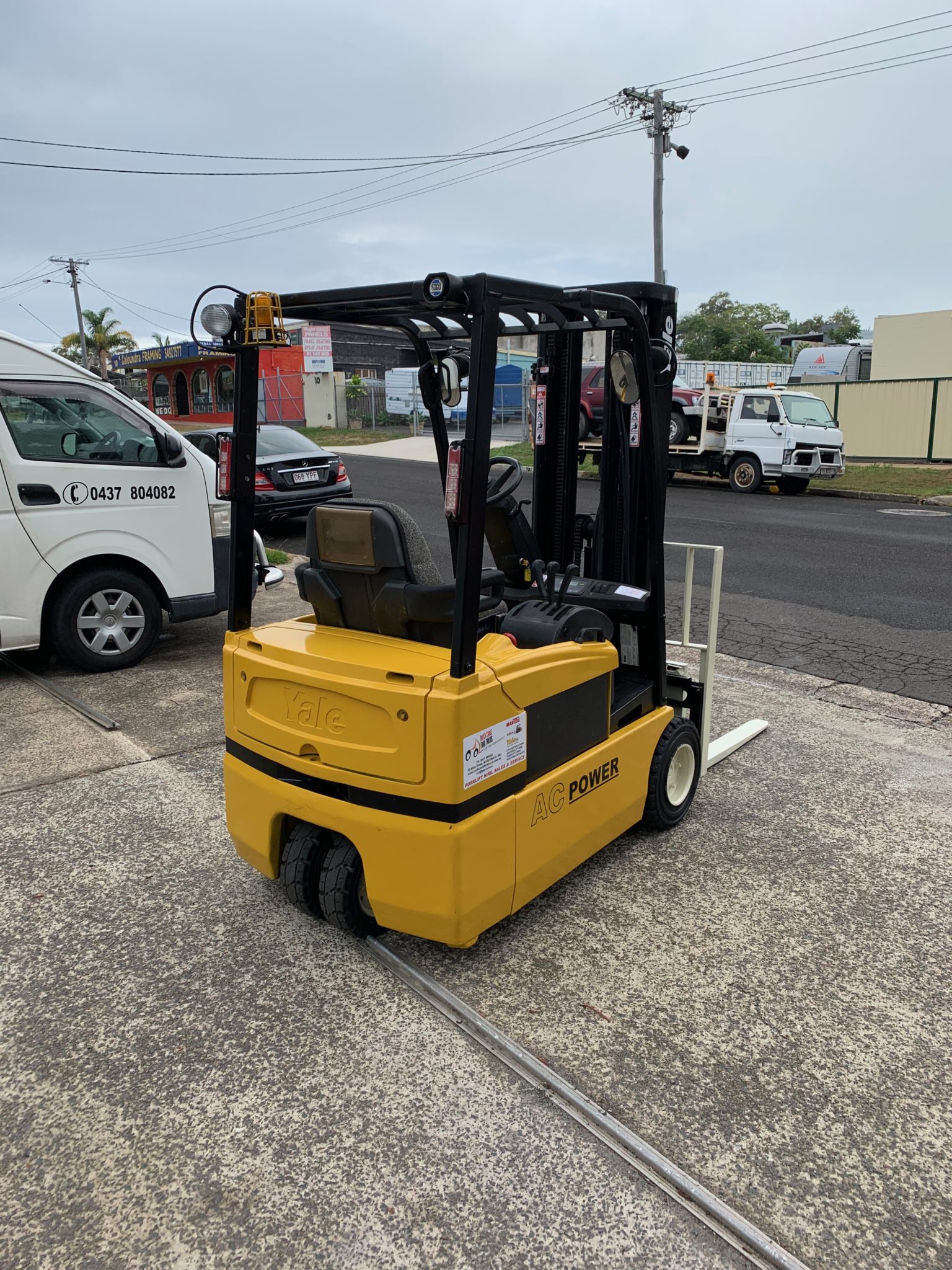
I've seen plenty of forklifts come and go over the years. New models promise the world, generate buzz, then disappear five years later with orphaned parts and unsupported systems. It happens more often than buyers realize.
The Yale ERP and Hyster J series earned their reputations the hard way. They showed up every day, handled abuse, and did exactly what operators and managers needed them to do. No drama, just work.
That's why they remain my favourite electric forklifts ever built. And it's why we're always glad to see one roll through the doors at Level Warehouse Equipment, whether it's a unit we're selling, servicing, or taking in on trade.
If you're in the market for a proven electric counterbalance that balances performance, durability, and long-term value, it's hard to do better than these two. They're not the newest or flashiest options out there. But if you want a truck that's still earning its keep a decade from now, this is where I'd start.
Need help finding the right forklift for your operation?
Troy Spreeuw
Owner, Level Warehouse Equipment
troy@levelwarehouse.com
Whether you're looking at Yale, Hyster, or exploring your options, we're here to give you straight answers and unbiased advice. Get in touch and let's figure out what actually works for your warehouse.
Back to Resources